• search
Donate Now!
« Home

About Colon Cancer

Policy & Advocacy

Order Materials

Dialogue for Action
Leadership Summit


About Colorectal Cancer

Colorectal Cancer 2009 Fact Sheet

Introduction
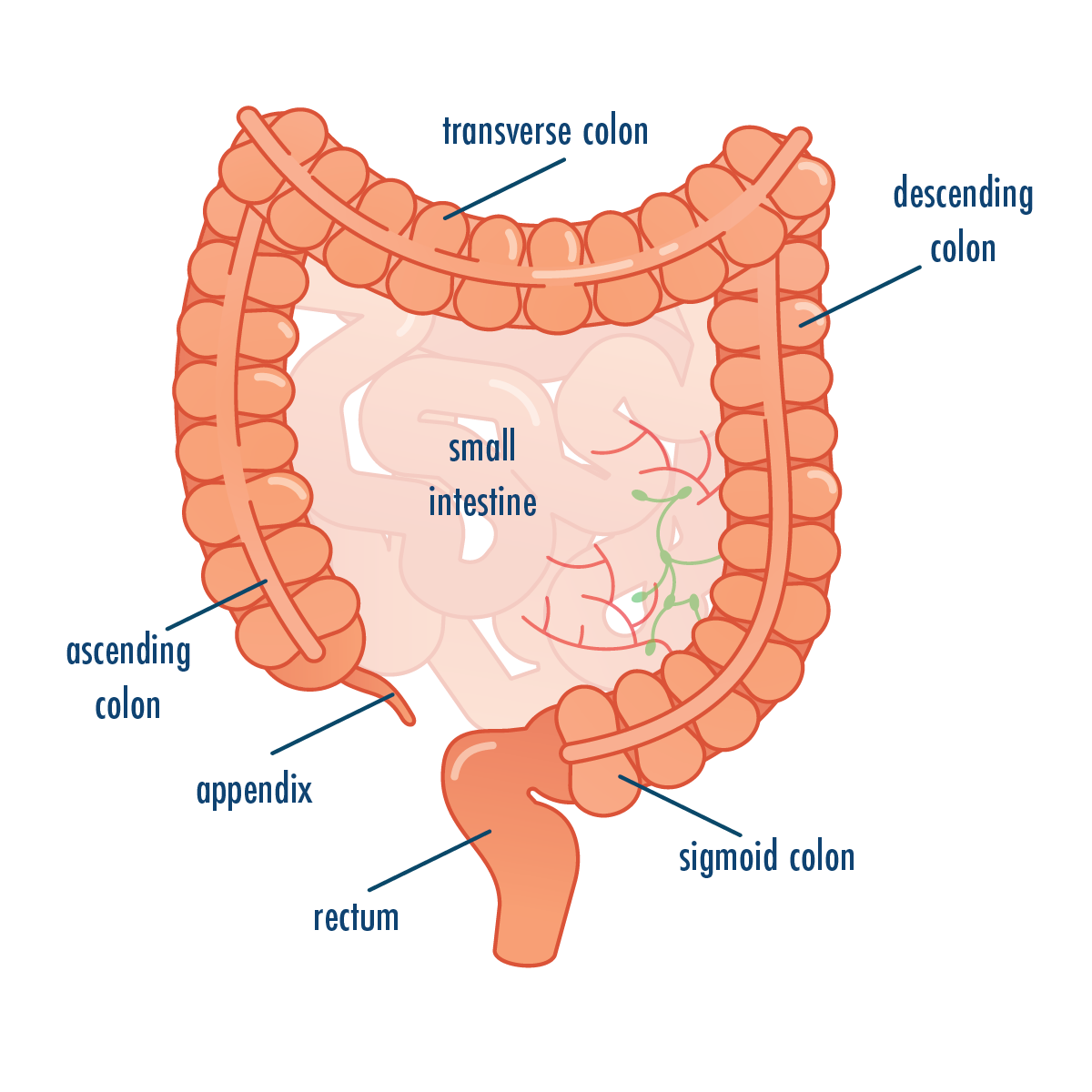
Colorectal cancer is cancer of the colon or rectum. It is equally common in men and women. An estimated 146,970 people will be diagnosed in 2009, and an estimated 49,920 people will die from the disease. With recommended screening, this cancer can be prevented (by removing polyps before they become cancerous) or detected early, when it can be more easily and successfully treated.

At Risk

  • Men and women age 50 and older
  • People who use tobacco, are obese or are sedentary
  • People with a personal or family history of colorectal cancer or benign (not cancerous) colorectal polyps
  • People with a personal or family history of inflammatory bowel disease, such as long standing ulcerative colitis or Crohn’s disease
  • People with a family history of inherited colorectal cancer

Risk Reduction 

  • Be physically active and exercise regularly.
  • Maintain a healthy weight.
  • Eat a high-fiber diet rich in fruits, vegetables, nuts, beans and whole grains.
  • Consume calcium-rich foods like low-fat or skim milk.
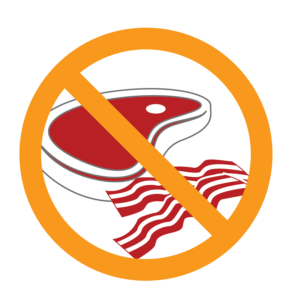
  • Limit red meat consumption and avoid processed meats.
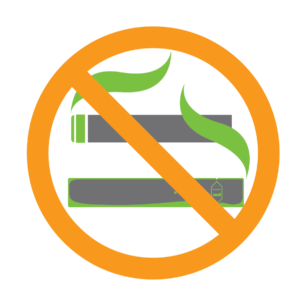
  • Don’t smoke.
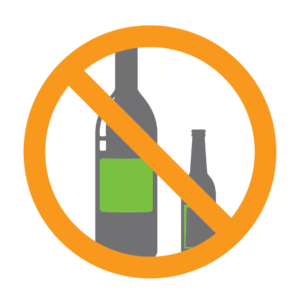
  • Don’t drink alcohol excessively.

Early Detection
If you are at average risk for colorectal cancer, start having regular screening at age 50.  If you are at greater risk, you may need to begin regular screening at an earlier age. The best time to get screened is before any symptoms appear. Use this guide to help you discuss screening options with your health care professional. Consider one of the following:

Screening intervals for tests that find pre-cancer and cancer:

  • Colonoscopy: Every 10 years
  • Virtual colonoscopy: Every 5 years
  • Flexible sigmoidoscopy: Every 5 years
  • Double-contrast barium enema: Every 5 years

Screening intervals for tests that mainly find cancer:

  • Fecal occult blood test (FOBT): Every year
  • Fecal immunochemical test (FIT): Every year
  • Stool DNA test (sDNA): Ask your health care professional

Any abnormal result of a virtual colonoscopy or double-contrast barium enema, as well as a positive FOBT, FIT or sDNA test, should be followed up with a colonoscopy.

Symptoms
Early stages of colorectal cancer do not usually have symptoms. Advanced disease may cause:

  • Rectal bleeding or blood in or on the stool
  • Change in bowel habits or stools that are narrower than usual
  • Stomach discomfort (bloating, fullness or cramps)
  • Diarrhea, constipation or feeling that the bowel does not empty completely
  • Weight loss for no apparent reason
  • Constant fatigue
  • Vomiting

Treatment
Surgery is the most common treatment. When the cancer has spread, chemotherapy or radiation therapy is given before or after surgery.


Acknowledgements

Funding
This portion of the 2009 National Colorectal Cancer Campaign, moving from awareness to action, was made possible in part with support from Presenting Sponsor sanofi aventis, Sustaining Sponsor Bristol Myers-Squibb, Major Benefactors Roche and Amgen, and Benefactor Genentech.

More Information

Fact Sheet (English PDF) 
Fact Sheet (Español PDF)
Expert Interview
For Hispanics 
Research Grants
Colorectal Cancer Quiz
 
Managing Your Health
 
Share Your Story

Share This Information
Poster (English PDF)
Poster (Español PDF)
Buddy Bracelets

Our Campaigns
National CRC Campaign
Dialogue for Action 

Walk the Colon!
SuperColon Exhibit 


Prevent Cancer Foundation · 1600 Duke Street · Suite 500 · Alexandria, VA 22314
703.836.4412 | 800.227.2732

CFC #11074/United Way #0481

Privacy Policy